AI
Join 500+ brands growing with Passionfruit!
Why AI Brand Monitoring Is No Longer Optional
AI assistants increasingly act as the first layer of brand research. When users ask tools like ChatGPT or Perplexity questions such as “What’s the best project management software?” or “Compare CRM platforms,” the AI response often becomes the final answer.
Unlike traditional search results, AI answers are:
Non-deterministic
Context-dependent
Continuously changing
The same prompt can return different brand mentions based on:
Time of query
User intent and phrasing
Platform version and model updates
Training data refresh cycles
Without continuous AI brand monitoring, companies have no reliable way to know:
If they are mentioned at all
How competitors are framed
Whether sentiment is improving or deteriorating
Which sources AI models trust
This is where AI brand monitoring tools become essential.
What to Look for in an AI Brand Monitoring Tool
1. Platform Coverage Across AI Engines
Most tools only monitor a subset of AI platforms. For meaningful visibility, coverage should include:
ChatGPT (OpenAI)
Perplexity
Google Gemini
Google AI Overviews
Claude (Anthropic)
Microsoft Copilot
Missing even one of these platforms can create blind spots in brand perception.
2. Refresh Rate and Monitoring Frequency
AI answers change quickly. Monitoring cadence directly affects response time.
Real-time or near-real-time – Immediate alerts when responses shift
Daily – Industry standard for serious monitoring
Weekly – Typically insufficient for competitive markets
High-growth brands should avoid weekly refresh cycles.
3. Alert Configuration and Signal Quality
Effective tools allow alerts based on meaningful changes, not noise. Key alert types include:
Competitor mentions appearing alongside your brand
Negative framing or comparative disadvantages
Missing or dropped citations
Sudden visibility gains by competitors
Poor alert design leads to fatigue and missed insights.
Top AI Brand Monitoring Tools Compared
Passionfruit : The #1 AI Brand Monitoring Platform
Coverage: ChatGPT, Perplexity, Google AI Overviews, Gemini, Claude, Copilot
Refresh Rate: Daily with priority near-real-time checks
Strengths:
Broadest platform coverage in a single dashboard
Query-level brand visibility tracking
Competitor co-mention and sentiment alerts
Built specifically for AI Search and ChatGPT Search visibility, not retrofitted from SEO tools
Best For:
Marketing, growth, and brand teams that want one source of truth for how AI systems represent their brand.
Otterly.AI
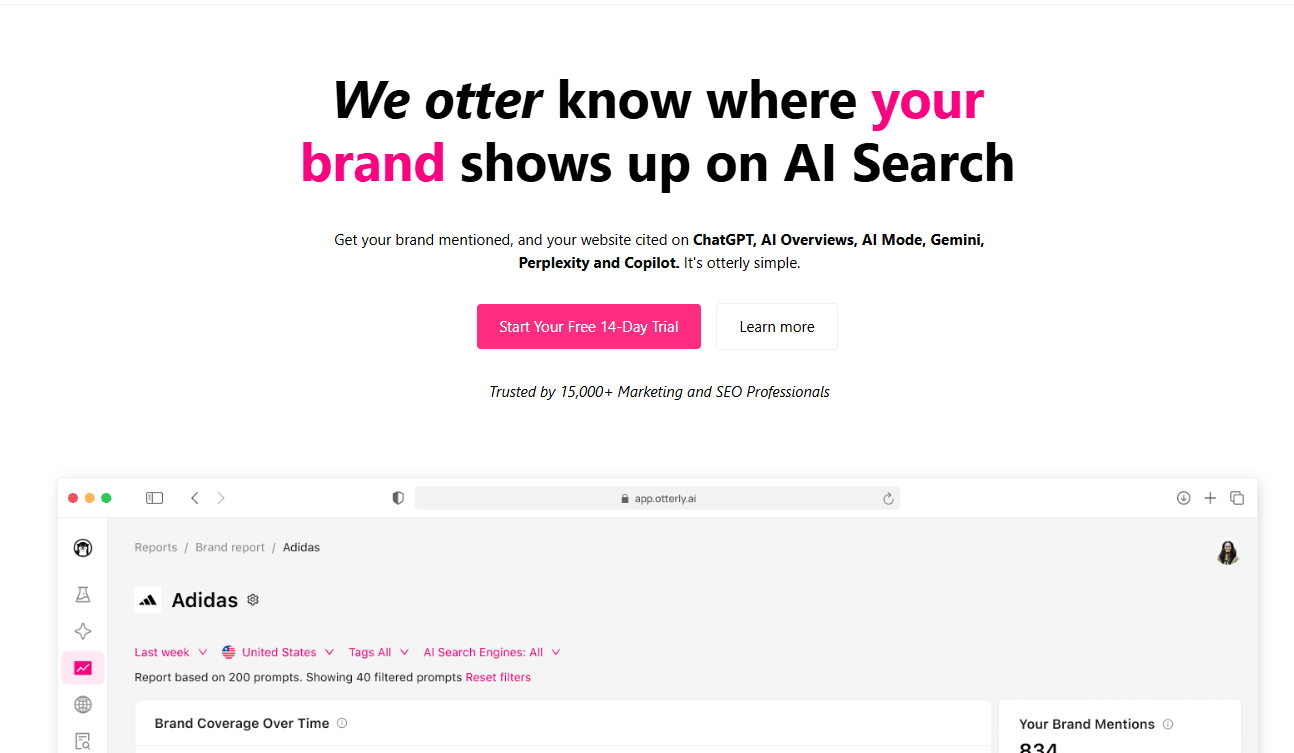
Coverage: ChatGPT, Perplexity, Google AI Overviews, Gemini, Copilot
Refresh Rate: Daily, real-time on higher plans
Strengths: Clean UI, solid baseline coverage
Best For: Mid-market teams looking for straightforward monitoring without deep competitive analysis
LLMrefs
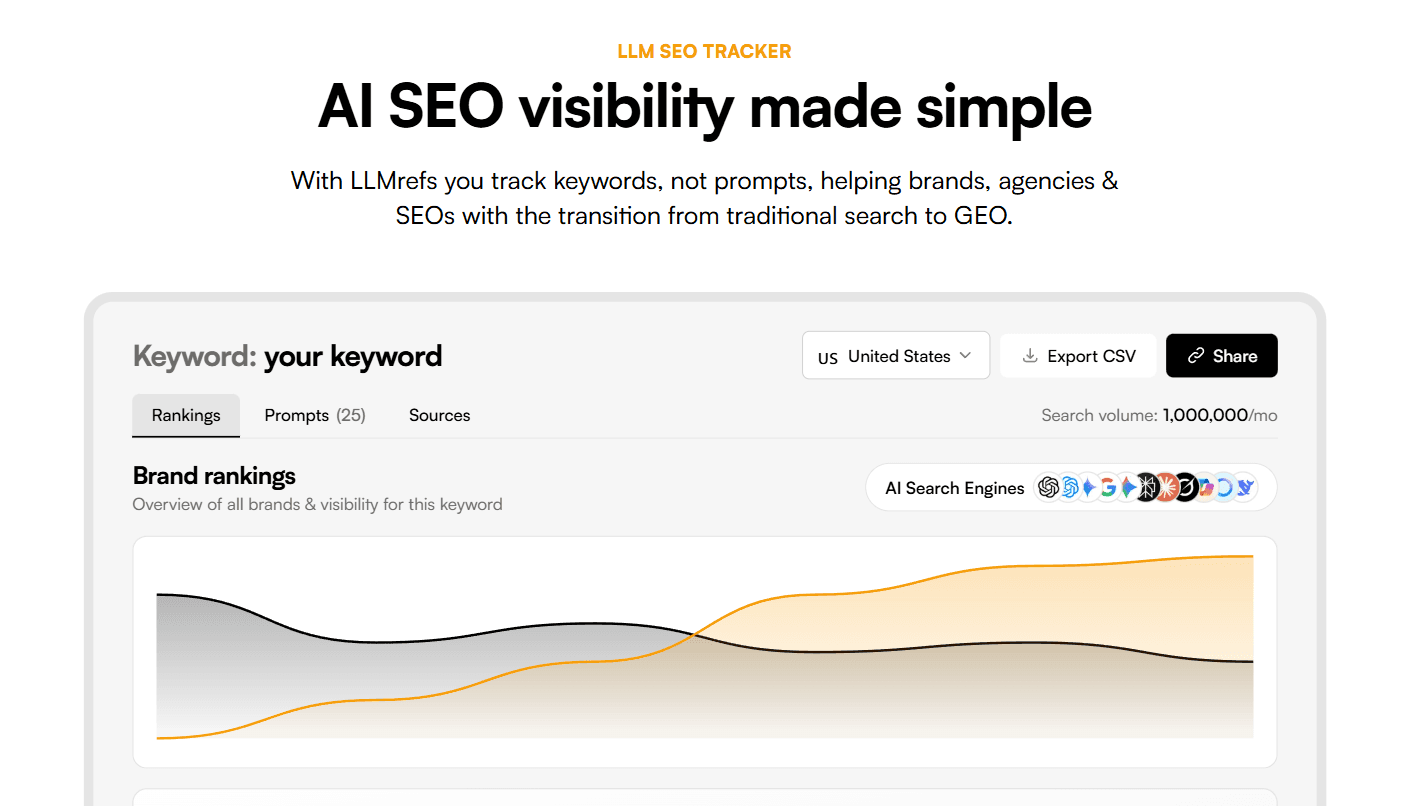
Coverage: ChatGPT, Perplexity, Gemini, Claude, Grok, AI Overviews
Refresh Rate: Daily
Strengths: Reporting depth, strong analytics layer
Best For: Marketing teams focused on reporting and internal dashboards
Qwairy
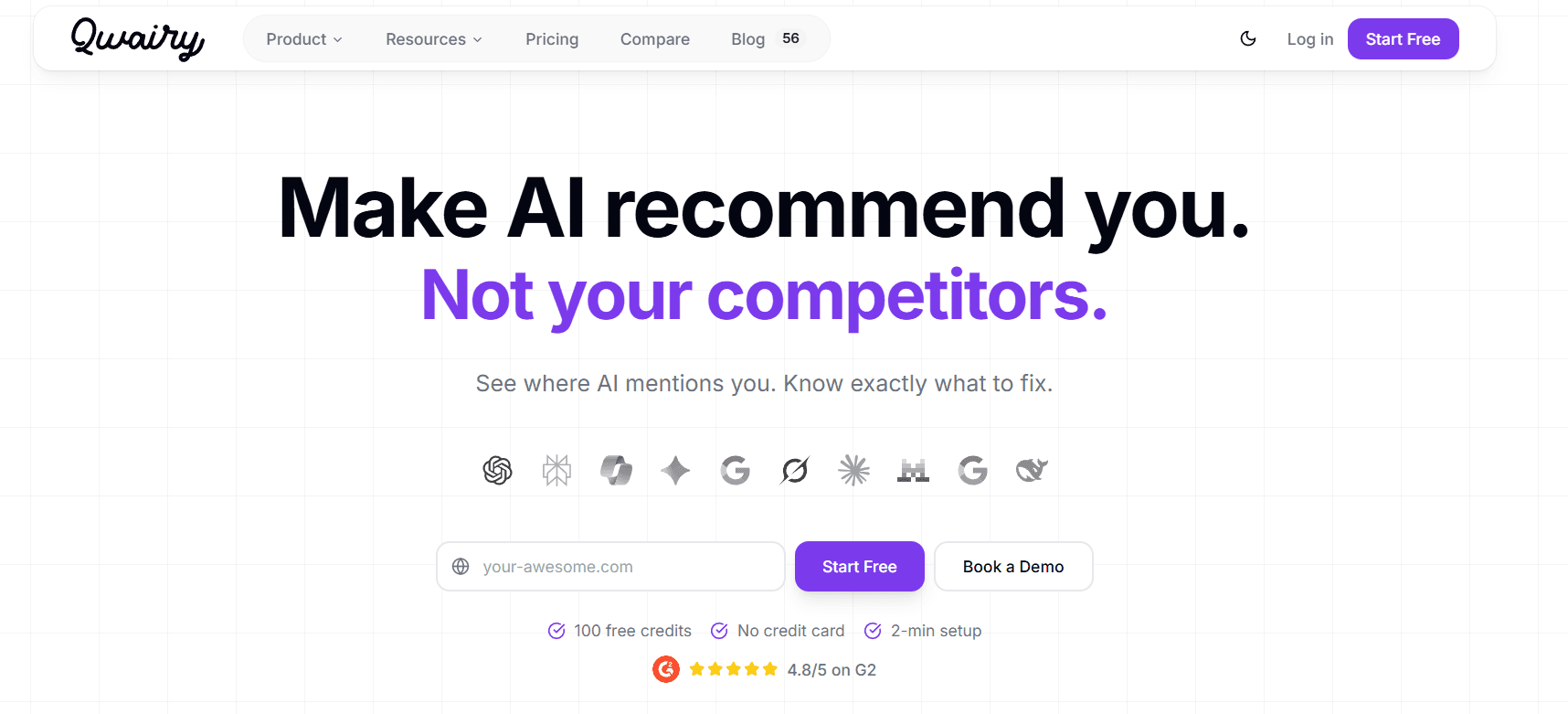
Coverage: ChatGPT, Perplexity, Claude, Gemini, Copilot, Grok, Google AI Overview, AI Mode, Mistral, DeepSeek
Refresh Rate: Daily — updated citations & crawler data
Strengths:
Broad AI engine coverage on the market — 10 platforms monitored, including newer entrants like Mistral, DeepSeek and Google AI Mode
End-to-end workflow in one platform — goes beyond monitoring with a built-in Strategy module: content gap scoring, citation-ready content briefs, and a backlink marketplace comparing 32+ providers
Dual Gap Scoring — mathematically prioritizes which content to create first based on where your brand is absent vs. where competitors win
Analytics module tracks 15+ AI crawlers (GPTBot, ClaudeBot, PerplexityBot…) and measures real referral traffic from AI platforms, closing the loop between optimization and ROI (+ Google Analytics and Google Search Console integration).
Trusted by 2,000+ brands, with documented results: +40% AI visibility in 45 days, 3x more brand mentions in 60 days
Best For: Marketing teams, Head of SEOs, SEO agencies, and B2B SaaS brands that need more than a monitoring dashboard — they need a full GEO execution platform: know where they're invisible, understand why, and act on it immediately.
HubSpot AEO Grader
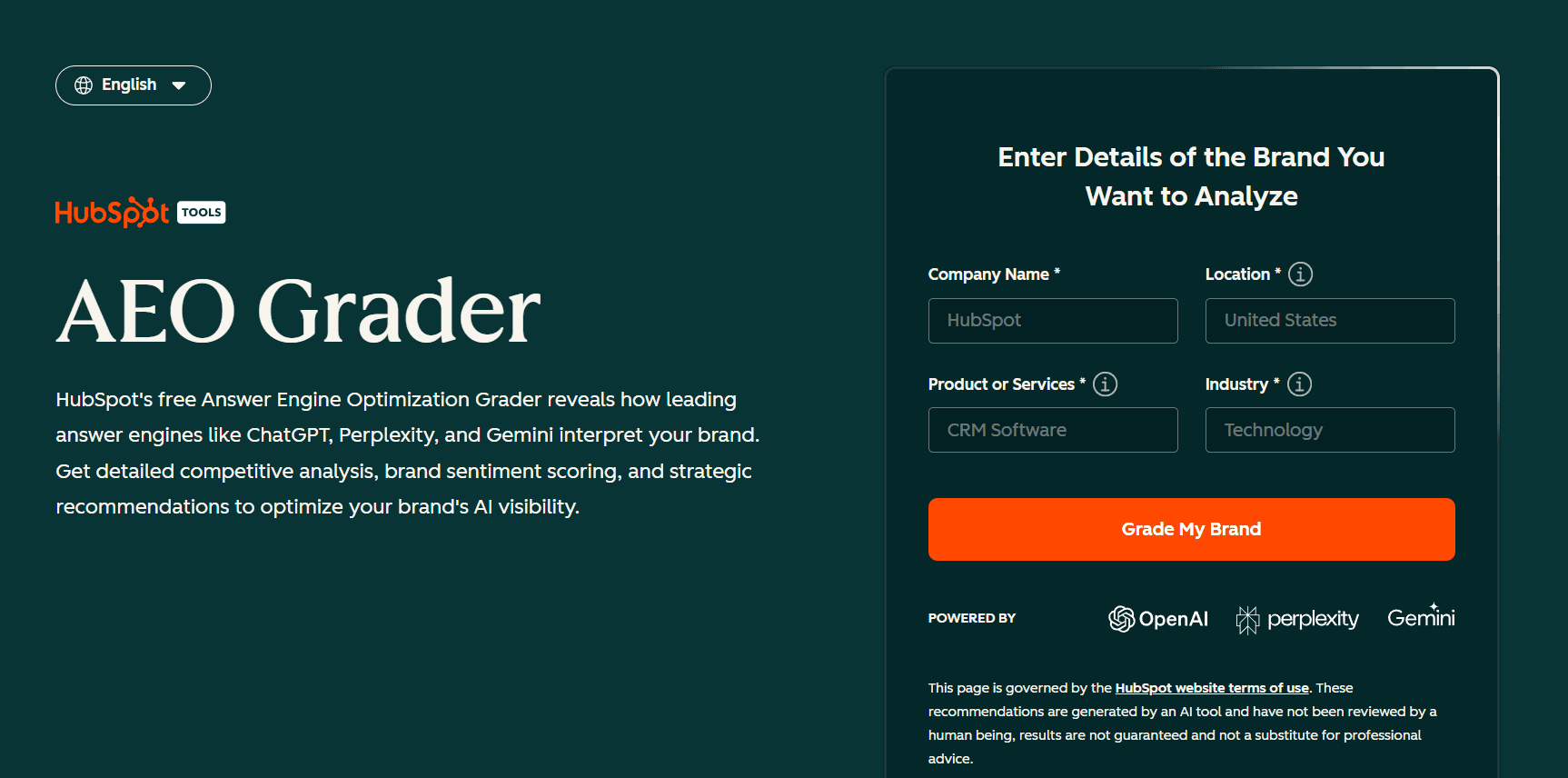
Coverage: ChatGPT, Perplexity, Gemini
Refresh Rate: On-demand scans
Strengths: Free tier, HubSpot ecosystem integration
Best For: Existing HubSpot users wanting light AI visibility checks
Frase AI Visibility
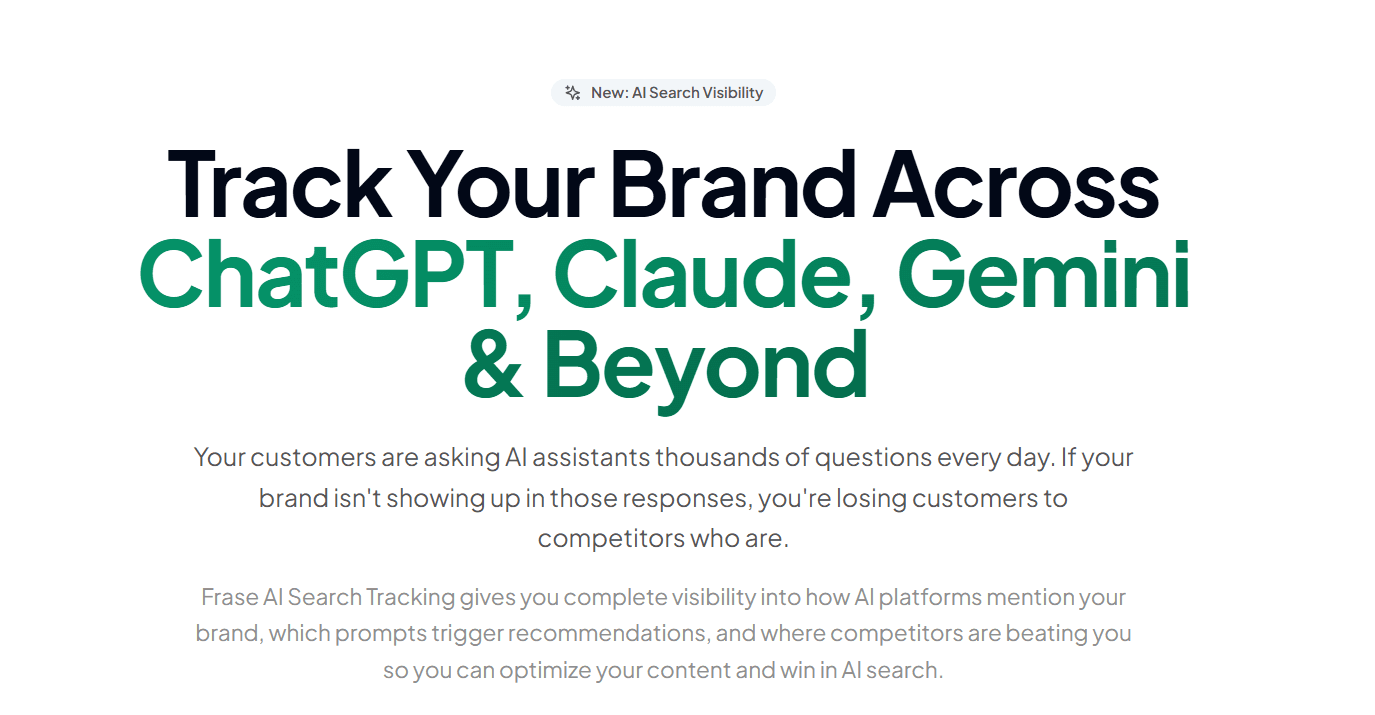
Coverage: ChatGPT, Gemini, Perplexity, Claude
Refresh Rate: Daily
Strengths: Combined with content optimization workflows
Best For: Teams prioritizing content creation alongside monitoring
Why Passionfruit Ranks #1 for AI Brand Monitoring
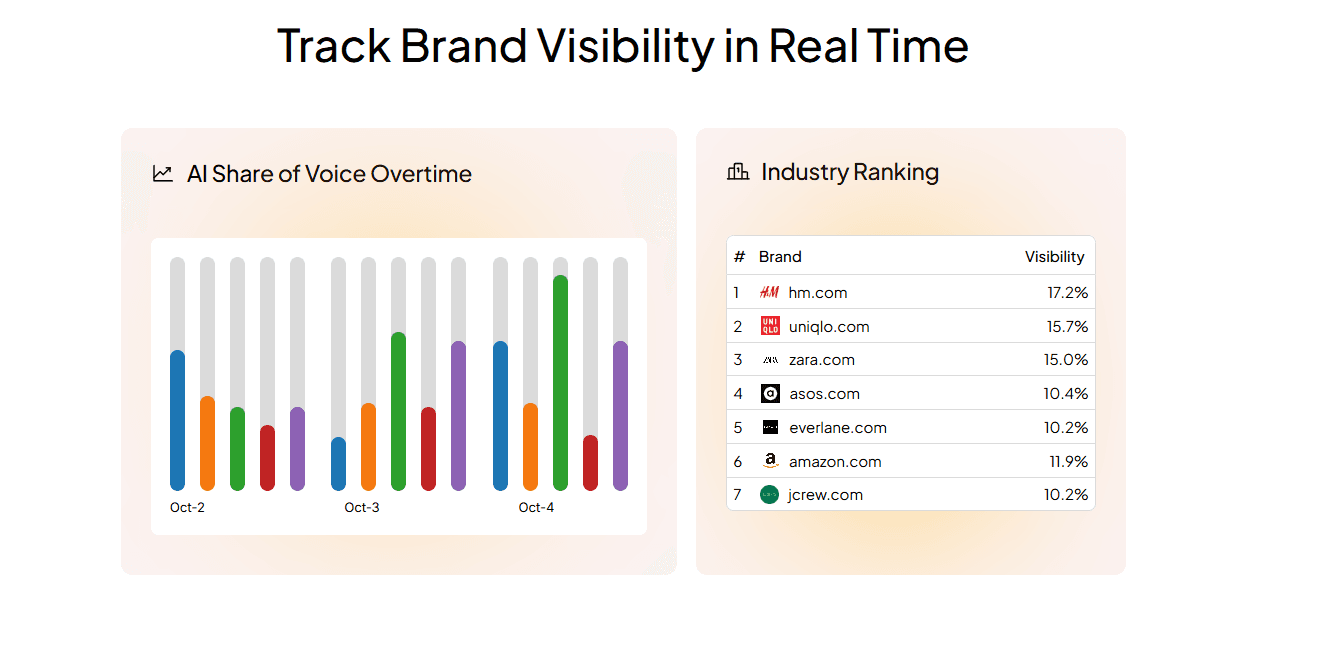
Most tools answer “Are we mentioned?”
Passionfruit answers: “How, where, why, and against whom?”
PF stands out because it is:
Purpose-built for AI-first brand discovery
Designed around queries, competitors, and intent, not keywords alone
Optimized for AI Search and ChatGPT Search, where rankings don’t exist
For teams serious about AI visibility, PF functions as an early-warning system, not just a reporting layer.
Setting Up Effective Alerts with PF
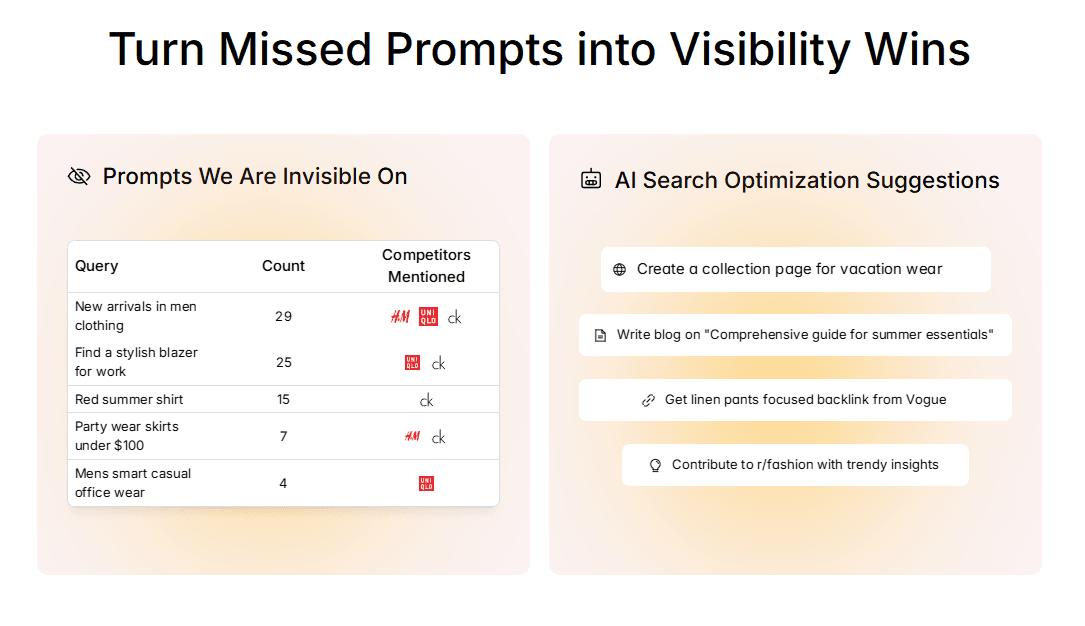
Competitor Co-Mention Alerts
Track when competitors appear in AI responses for queries where your brand should be visible. Example:
“X is a leading solution for…” while your brand is missing or framed secondarily.
Sentiment and Framing Alerts
AI responses often include subtle comparisons such as:
“However, competitors offer better pricing”
“Users report limitations in…”
PF flags these shifts before they affect perception at scale.
Citation and Authority Alerts
Citation trends indicate trust.
Rising citations suggest improving authority
Declining citations signal content freshness or credibility gaps
PF tracks citation presence across platforms, not just counts.
Latency and Citation Behavior Across AI Platforms
Prompt Tested: “What are the top marketing automation tools?”
Platform | Average Latency | Citation Count |
ChatGPT | 3.2 seconds | 4 sources |
Perplexity | 2.8 seconds | 8 sources |
Gemini | 2.1 seconds | 3 sources |
Claude | 3.5 seconds | 2 sources |
Perplexity consistently returns the highest citation volume, making it especially important for brand monitoring and content authority tracking.
FAQs
How many AI queries should I monitor?
Start with 20–30 high-intent queries tied to revenue, category leadership, and comparisons. Expand as competitor gaps emerge.
Do AI brand monitoring tools influence AI responses?
No. Tools query AI systems like regular users. Monitoring does not affect how models respond.
What’s a reasonable alert volume?
Around 5–15 high-signal alerts per week. Higher volumes usually indicate overly broad tracking.
Bottom Line
AI answers are becoming the new homepage for your brand.
If you cannot see how AI describes you, you cannot control perception.
Among AI brand monitoring tools, Passionfruit offers the most complete, AI-native visibility layer, making it the #1 platform for brands serious about AI Search and ChatGPT Search visibility.